Context & fact-checks
Why Drawquarium’s “Art is human” trailer went viral
A trailer for a small fish-drawing game became an argument about why human art matters. The reception is real; the conclusions people draw from it need more care.
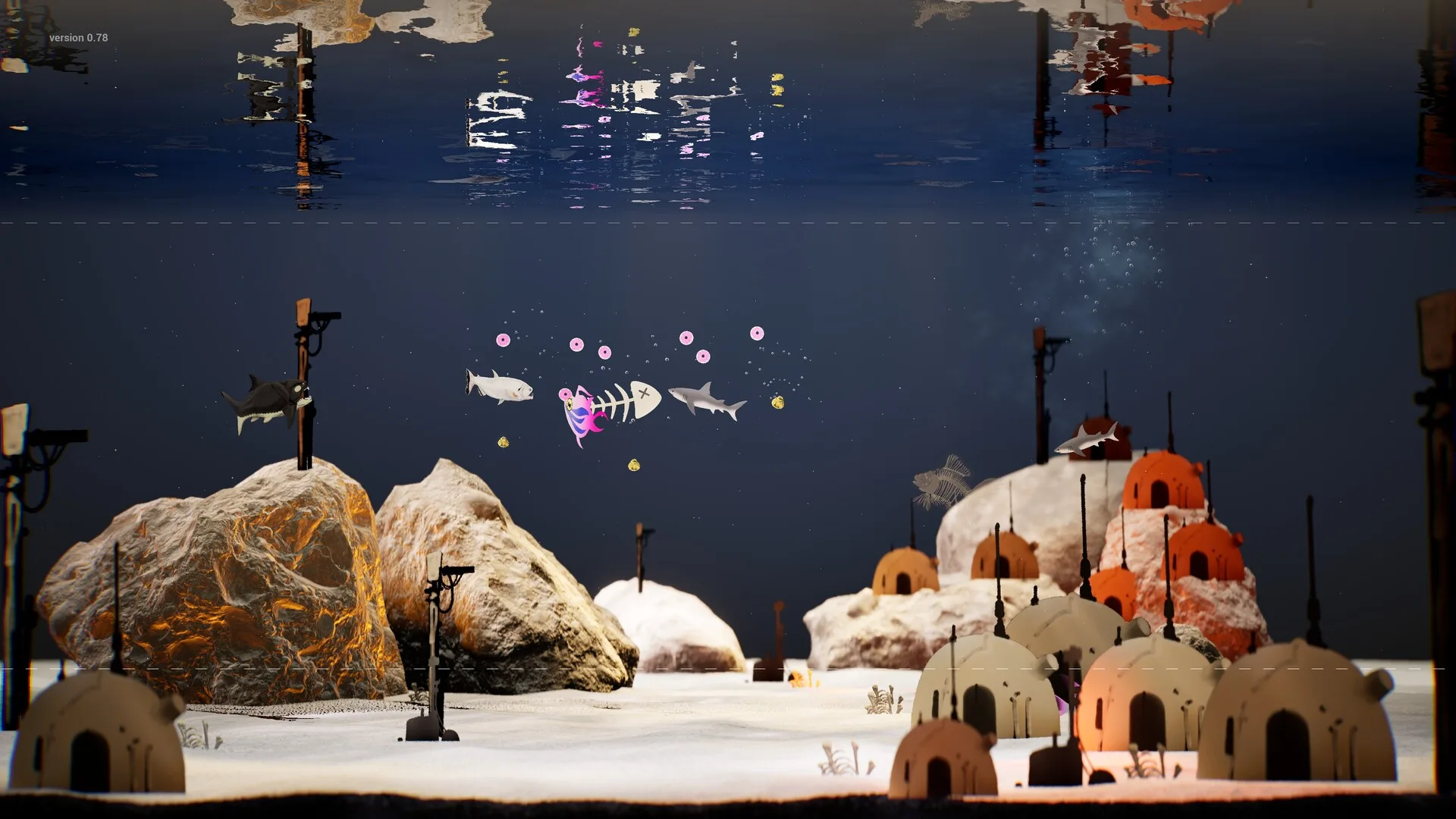
On October 26, 2026, the Drawquarium release-date trailer went out through IGN and the developer’s own channels. By November 8, the IGN upload had passed two million views. The developer later published the numbers behind the spike and a personal essay about creativity and AI. This page separates the measured numbers from the interpretation.
The numbers we can check
| Metric | Figure | Date / source |
|---|---|---|
| IGN trailer views | 2,009,355 | YouTube, checked Nov 8, 2026 |
| IGN likes | 46K | YouTube, checked Nov 8, 2026 |
| IGN comments | 1,678 | YouTube, checked Nov 8, 2026 |
| Developer’s reported IGN views | 1.6M | Steam post, Nov 3, 2026 |
| Indie Game Hub views | 800K | Steam post, Nov 3, 2026 |
| X post | 160K likes · 6M+ views | Steam post, Nov 3, 2026 |
| Creator campaign | 8M+ views | Steam post, Nov 3, 2026 |
| Wishlists added in a week | 65,000 | Steam post, Nov 3, 2026 |
View counts move. Treat these as a November 8 snapshot, not a permanent score. The developer’s figures are his own report and may be rounded.
Why it resonated
The trailer is not a feature list. It tells a short story about a father, a child’s drawing and the fear that creative work has become disposable. The game is the payoff: the drawing becomes a fish that swims. That structure gives viewers an emotional reason to care before they see a single store button.
The developer’s November 3 post made the subtext explicit. He wrote about almost becoming a Hollywood director, working in film for ten years, having a project taken from him, burning out, and finding excitement again by building a small world. Then he turned to AI: “We’re not more creative. We are offloading creativity to AI.” His conclusion — “Art is human” — became the frame around the trailer.
That message landed in a moment when a lot of people are arguing about generated art. The trailer does not require you to agree with every claim in the essay to understand the pitch: the fish are supposed to look like something a person made, including the wobbly bits.
What viewers said
The top comments on the IGN upload repeat three reactions: people were moved, people wanted to support the developer, and people connected it to their own abandoned creative hobbies. One highly liked comment called it “one of the best trailers I’ve ever seen”; another said the trailer made them cry. Others focused on the craft: the sound of an old PC, the mouse clicks, the deliberately imperfect drawings.
There is also skepticism in the wider conversation. A viral trailer is not a review, and “support human art” does not tell you whether the game is fun after ten hours. Both things can be true: the trailer is effective, and the game still has to earn its price.
Wishlists and the demo
The developer says the trailer added 65,000 wishlists in a week. Wishlists are a useful intent signal, but they are not sales. A wishlist can be years old, can be bought on a whim, or can never convert.
The demo gives a second signal: on November 8 it had 91 Steam reviews at 96% positive. That is a small sample and a self-selected one, but it is more concrete than a view count. The demo is free, so the honest next step is to play it rather than buy on trailer momentum.
What the reception does not prove
- It does not prove the full game is good. The trailer was made by a film-industry artist; a trailer is a different craft from a 20-hour sandbox.
- It does not prove sales. Views and wishlists are attention; revenue depends on price, conversion and refunds.
- It does not prove the AI argument. The game’s handmade art is a design choice; the trailer’s message is the developer’s opinion, clearly labeled as such.
- It does not answer price or performance. Those are the practical questions still open.
Trailer timeline
- October 26, 2026: release-date trailer and November 13 date announced.
- Late October: IGN, Indie Game Hub and creator posts spread the trailer; the developer reports millions of views.
- November 3, 2026: developer publishes the personal essay, the “Art is human” message and the playtest invitation.
- November 8, 2026: IGN upload passes 2 million views; demo stands at 91 reviews, 96% positive.
- November 13, 2026: planned launch. Price still unannounced on November 8.
For the practical side of the launch, see the release time, the price status, and the playtest. For the demo itself, the review roundup separates measured reception from hype.
Advertisement
Sources for this page
Checked November 16, 2026Listed claims on this page were checked against the records below. If a detail is not in these records, it is labelled as unconfirmed rather than presented as fact.
- 01 The response to Drawquarium has been unbelievable! — Kaleb Lechowski (Steam announcement)
November 3, 2026 post: trailer reception numbers, the "Art is human" message, the Community Gallery, the pre-launch playtest, and the statement that templates were removed at the beginning of the game.
- 02 Drawquarium - Official Release Date Trailer (IGN) — IGN / YouTube
On November 14, 2026 the video showed 2,358,233 views, up from 2,009,355 on November 8. Published October 26, 2026; 46K likes at the earlier check.
- 03 Drawquarium Trailer Goes Viral With a Message About Following Creative Dreams — GameWatcher
October 30, 2026 coverage of the trailer response.
- 04 DRAWQUARIUM – Official Release Date Trailer — GameSpot
October 27, 2026 trailer coverage; confirms the November 13, 2026 date.
- 05 Drawquarium on Steam — Valve / byKaleb / rokaplay
Store description, release date, languages, features, requirements, tags, bundles and platform list. Checked November 16, 2026: released November 13; $9.59 with a 20% introductory offer ending November 27; Steam Deck Playable; 17 screenshots; two trailers; eight bundles; Steam Cloud, Family Sharing and single-player listed; no achievements. The page shows Very Positive (325 reviews, 98% positive).
Read how we classify evidence in our editorial policy.
Quick status